
kye
-
Posts
8,279 -
Joined
-
Last visited
Content Type
Profiles
Forums
Articles
Everything posted by kye
-
Maybe the iPhone 19 or 20 will go LOGIC? I'd consider upgrading if that was the case.... but with my 17 Pro I now have Prores and Apple Log, so the images now look like they're from a camera and not from a phone.
-
I've ordered the Beastgrip 1.55x MK2 lens, and I also found an adapter that I can mount my Neewer 1.55x onto, so that will mean I can test it properly on various lenses. I have no idea which lenses these will work on, but combined with the 2x digital zoom of the GX85 or the continuous digital zoom of the GH7 any coverage issues should be able to be overcome. You'd think that cropping would make the FOV too narrow, but actually it's perfect because with a 1.55x stretch factor it makes lenses far wider, so cropping narrows them back up again, and cropping also lowers the resolution of the final image, but that's fine because we're interested in a flawed and character rendering, not clean soul-less images, so it's potentially an advantage. Given that coverage might be an issue, this might really suit the GoPro ILS as well.
-
Very clean results. I'm actually looking for a much less clean result, but with more character. In today's anamorphic world large clean sharp anamorphic lenses are becoming common, whereas large vintage anamorphics are mega-dollar collectors items or are being snapped up by rental houses and only available for hire. Dirty and compromised smartphone adapters might be the 'hack' that gets characterful images back into our hands, but in a cheap and compact package (thus this thread...).
-
Wow.. they're not optically perfect, but in the grand scheme of anamorphic adapters (and especially vintage anamorphic adapters) they're on the clean end of things for sure. I'm now back to contemplating pulling the trigger on the 1.55x....
-

A new Super 16 Cinema Cam: the GoPro Mission 1 Pro ILS?
kye replied to John Matthews's topic in Cameras
There are so many trade-offs here it's impossible to actually discuss all of them in any sensible way, that's why I suggest simply trying them yourself, as the proof is in the pudding. The recommendation of 1/200s is 4 times shorter than 1/50, so the recommendation for 13mm and 11mm lenses are vastly different despite the focal lengths being quite similar. I understand this is a generic recommendation, but that only works for generic people, and I have never met any of those before! I'm assuming your statement about the ILS producing more detail in RAW is about still images? That's a whole other thing than video and these tradeoffs all go completely different since the modern standard for getting sharp images seems to require a shutter of 1/5000 or faster, if I go by the fact that people are photographing action sports and seem to want sub-pixel sharpness instead of their images representing the fact that there is any motion involved at all in the scene. Anyway, I'll leave you to your assessments, but I can tell you that if you shoot video on a potato and upload it to YT at 480p with a 180 shutter and compare that to video shot on the BM 17K URSA with a 45 shutter and uploaded at 8K, there will be people who prefer the 180 shutter just because the motion is so important to them. This is perhaps a drastic example, but a more practical one would be why anyone at all still shoots on 16mm. It is completely technically inferior in literally every regard, and yet, people still pay a huge amount of money for the pleasure. -
Sigma FP ii... So far it's not even up on Sigmas website, so no idea about codecs, but it does look like it does a 10-bit LOG internally, so at least one of the "gaps" in the OG seems to have been addressed. It's probably not the camera for me, but definitely respect to Sigma for trying something with the FP and continuing support for the concept.
-
A new Super 16 Cinema Cam: the GoPro Mission 1 Pro ILS?
kye replied to John Matthews's topic in Cameras
Interesting. I'd imagine that a shoulder mounted rig would be quite stable in most circumstances, especially from the micro-jitters of smaller camera rigs. I've also found that shutter angle is a bit of a strange thing, where in some scenarios you want a larger angle and other scenarios it doesn't matter that much. Often this was related to how large the motion was in frame and how visible it was (e.g. if it was a hard high-contrast edge or softer). The output quality matters too - when I was testing my GF3, which does (IIRC) 1080p at 12Mbps (or similar) the shutter angle on many shots didn't really matter because the motion on a 180 shutter was comparable to the resolving power of the final image (it looks like quite compressed 720p footage) so for lots of stuff it didn't matter at all! -
A new Super 16 Cinema Cam: the GoPro Mission 1 Pro ILS?
kye replied to John Matthews's topic in Cameras
I guess it's a tradeoff: The more your hands shake during filming the blurrier each frame will be (motion blur) and the more stabilisation that happens after that the more that there will be motion blur in the footage without the associated camera shake and it will just look like random blurring (like the lens AF was pulsing, etc) The longer the shutter the more motion blur there will be in each frame The higher the resolution of the final result the more visible the intermittent blurring will be (ie, it will be more visible if you sharpen the footage on a 4K timeline and it will be less visible if you apply lots of image softening and grain) The higher your standards the more sensitive you will be to random blurring and to shorter shutter speeds For some people they're super sensitive to shutter angle, so are very intolerant to that. If they are also sensitive to blur and are going to sharpen the footage and publish in 4K then they will have to hold the camera a lot steadier to meet their requirements. For people that don't care about shutter angle then just have super-short shutters and you'll have great results. For people that want longer shutters but are going to soften the image a lot in post, or will be using much softer lenses, then they can afford to have shakier shooting because the random blurring will be far less visible. For people that don't care about the motion in the image then they can be happy despite the fact that other people would be very unhappy. In this sense it's impossible to know how you'll find something by just listening to other people. Tonnes of people think that some of the modern Sony and Zeiss lenses are "soft" and I think they're completely insane, but that's just different taste. In this case you probably have no idea how shaky your hands are compared to the next person, and there are no metrics that we can use to compare. From my experience of OIS and how I shoot, I'd get FAR FAR sharper images from the GX800 than the ILS, because the amount of camera shake I would have is easily enough to make the frames blurry but less than most OIS lenses can compensate for. In this sense it's not about the camera specs, it's about OIS vs not. -
A new Super 16 Cinema Cam: the GoPro Mission 1 Pro ILS?
kye replied to John Matthews's topic in Cameras
It's stabilisation after the exposure is made, so it will be subject to the same blurring as in the video I posted above. Depending on how much stabilisation is required and what your shutter angle is, it might be visible or might not. I'd highly encourage you do some testing to work out if it will meet your quality requirements. -
A new Super 16 Cinema Cam: the GoPro Mission 1 Pro ILS?
kye replied to John Matthews's topic in Cameras
Great looking images but the EIS isn't a substitute for IBIS or OIS - you can see in this footage the image gets blurry at random times... I think this mostly kills this camera for me at least. If you're hand-holding then either you use short-shutters, or you use 180 shutter but need to stabilise BEFORE the exposure, rather than stabilising AFTER when the frames are already blurry. -
You don't like security cameras? No need to be insecure...
-
A new Super 16 Cinema Cam: the GoPro Mission 1 Pro ILS?
kye replied to John Matthews's topic in Cameras
Apparently the Metabones SB accepts USB power in, it can be powered by the camera itself, and it can power a lens and has a wheel that can change the aperture of the lens.. and because it has power that means lens OIS will work too! @newfoundmass this isn't a MFT solution but it does allow some electronic lenses to be used - not sure if you have a metabones and other lenses lying around perhaps? -
It's great to hear that the people doing real work have taken the time to build a custom look for themselves. Just another reminder than the muppets on social media aren't really representative of how real people use cameras.
-
Sounds like a capable setup! I'd imagine you just setup the camera with the right codec and frame rate and exposure time, then you're just using the lens and filters to expose and focus? That was how I was shooting with my BMMCC and it was great, not having to navigate camera menus or anything. I bought a bulk lot of drink can holders (which are just fabric covered foam) and found they're great for putting lenses in to protect them from each other, so if you want to upgrade your paper towels that might be an option. You could super-glue them together if you wanted to make something with a bit of shape, sort-of a very DIY custom camera-insert.
-
Awesome! So often people just talk about gear but I find myself spending far more time thinking about the camera/lens/filters combo and how it interacts with the subjects and techniques I use when shooting. I'm keen to hear how you use the kit when out and about shooting in uncontrolled and difficult situations.
-
If watching camera YT has taught me anything, it's that there's no such thing as bad attention. In fact, if you can stir up some haters, then your videos will get more "engagement" and you'll do better in the algorithm. The two 'personalities' on YT who keep starting arguments with each other are all the better off for the controversy. So I say... post away! Anyone who brings some experience and/or some nuance to the table will definitely be ahead of the pack, especially for camera-related content.
-
What lenses are you using for the ILS, what rigging / supports are you using, and how are you finding them to shoot on the street?
-
BMMCC still has the magic in it, so definitely worth getting to know it and how to get the best of it. I always shoot Prores on it, rather than RAW, but my node tree was: 1) CST from BM Film Gen 1 to Davinci Intermediate 2) Grade in Log space 3) CST from Davinci Intermediate to rec709-A The default colour science is quite film-like and has a pretty heavy "look" already in it, but it's worth experimenting with different processes to see what you like. As I'd imagine you're shooting RAW, you'll also be using the RAW panel which I can't give advice on, except try different things and see what you like. There are "correct" colour spaces etc, but in colour, if it looks good then it is good, so just try stuff and see what you can find. Maybe @mercer can give some advice on making the BM really sing?
-
Definitely agree.. especially considering that if you really want to push the image around, you can convert it to LOG and make changes and then convert it back again.
-
Very cool!
-
A new Super 16 Cinema Cam: the GoPro Mission 1 Pro ILS?
kye replied to John Matthews's topic in Cameras
Great to hear it's working for you. I've long suggested that the cheap Chinese lenses are a lot like the high-end vintage lenses from the SLR film camera days - both had simpler optical designs and simpler coatings. The only challenge is how good the lens is wide open, but if it's enough for your application then you're all good! Same for me. I have saved power grades for each camera that convert from camera colour space to Davincis log space, and a few Timeline power grades that apply a few variations of film emulations. I just pull all the footage into a timeline, apply the power grades, and then adjust exposure on any clips that need it (I use ETTR so this is normal for me) and mostly I'm good. The wider DR of the GH7 and iPhone 17 Pro means that the images are less crunched and therefore respond nicely to a film emulation contrast curve and so need a lot less fussing than the GH5 ones did. I standardised on 58mm filters as that's the largest size that fits most of my lenses. Actually about two thirds of my lenses have that size natively and for the ones I use a lot that don't have that I bought dedicated step-up rings and just have them permanently attached. I have a K&F Concept True Color Variable ND2-32 (1-5 Stops) as my main vND and recently bought a NiSi IR ND8 (3-Stop) fixed ND to stack on it if the 5 stops of the K&F aren't enough (5 stops is enough for full-sun at F5.6 but wider apertures than that will require more). I wanted to just buy a nice 5-9 stop one but I have a Tiffen? 4-stop filter and when I paired that with the 1-5 stop I got all kinds of IR pollution on the iPhone, so I knew that anything more than 5 stops needed IR filtration too, and I couldn't find anything that had it. I had to buy an 82mm one for the front of my Sirui anamorphic adapter, but got a cheaper Neewer 1-5 stop which seems to work ok, although that one I only shot at night and colour fidelity is less important for that stuff. I also bought a few lower-quality 1-9 stop vNDs in specific sizes for when I wanted to keep the lenses as small as possible, so I got a 46mm one for the 14mm F2.5 pancake lens which lives on my GX85, and a 40.5mm one for the 17mm F1.4, which I had thought might be a good low-light lens for the tiny GX85 Super-16 setup but I haven't shot anything with that combo yet. Funny how people end up with similar solutions! -
A new Super 16 Cinema Cam: the GoPro Mission 1 Pro ILS?
kye replied to John Matthews's topic in Cameras
Nice images. Once you get files beyond a certain quality then the film emulation can do the rest. How are you finding the 17mm F1.4? Sharp enough wide open for you? In terms of filter threads, you can get filter-thread-adapters in that size. I bought a tiny vND for mine, which was really cheap because of the small amount of glass required! -
This makes sense to me. I figure there are two scenarios they design cameras for: 1) Recording outside in bursts, in aircon for longer takes, size and spec over thermal management, customers get big image in tiny size 2) Rock solid professional performance from integrated fan, customers pay for the reliability Unfortunately the third scenario is missing from the market: 3) Decent but not cutting-edge image (4K max) in very small size
-
A new Super 16 Cinema Cam: the GoPro Mission 1 Pro ILS?
kye replied to John Matthews's topic in Cameras
I guess without it having electronics in the lens mount there's no using an AF lens even in manual mode, because focus and aperture both need power. I can't think of any way to get power to the lens either, without it coming from the camera. There used to be that trick of connecting a lens to a camera with lens controls and setting the aperture, then putting it on a camera without them and using the mechanical MF controls, but I guess that's not really possible either. With the right lenses I think you could get the shots you want, but it would mean buying new fully-manual glass, which obviously isn't ideal. It takes me back to the "what is a tiny camera with good image quality" question that has been asked over and over again because it doesn't have a good answer. Hmmmm. -
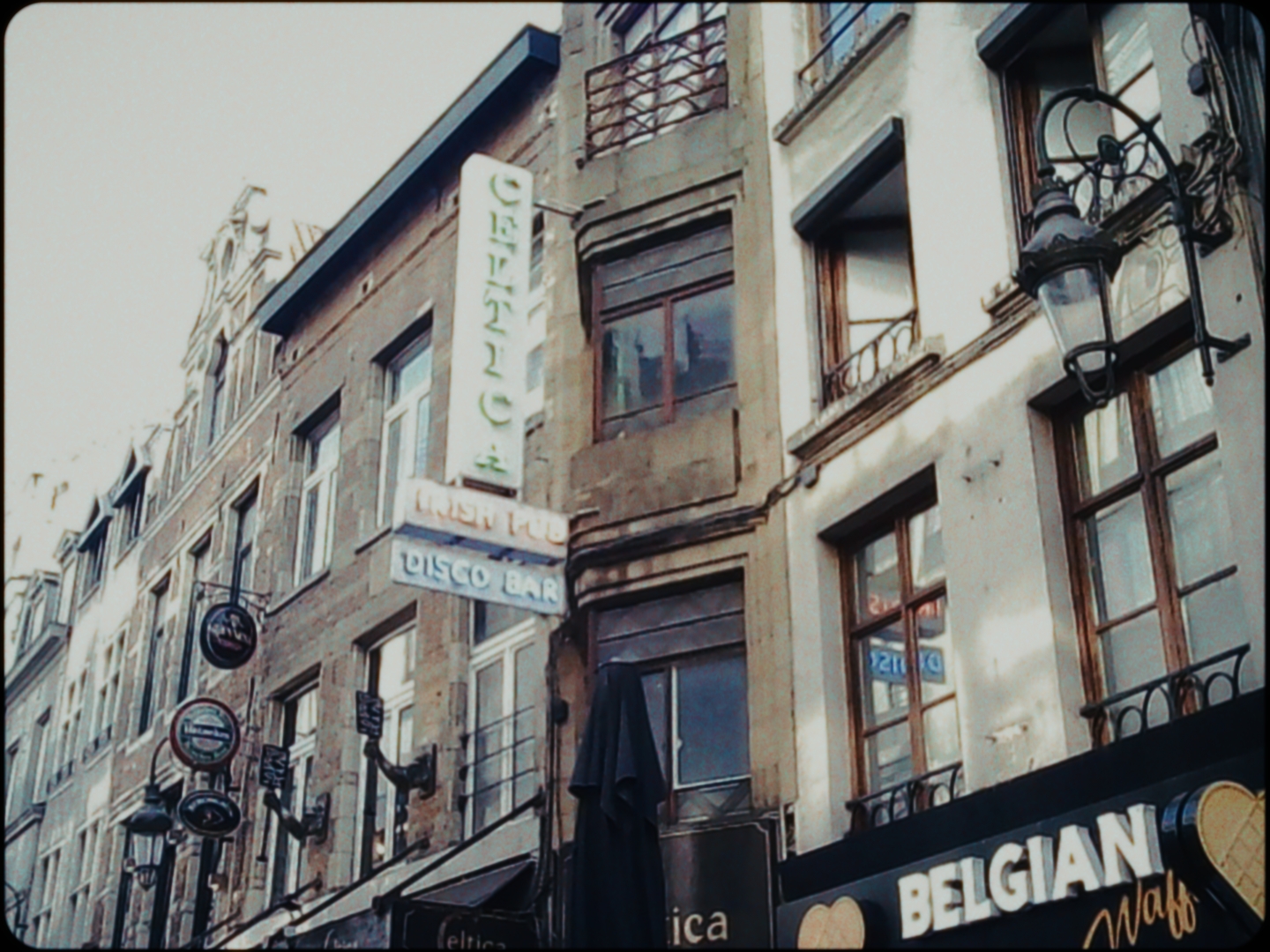
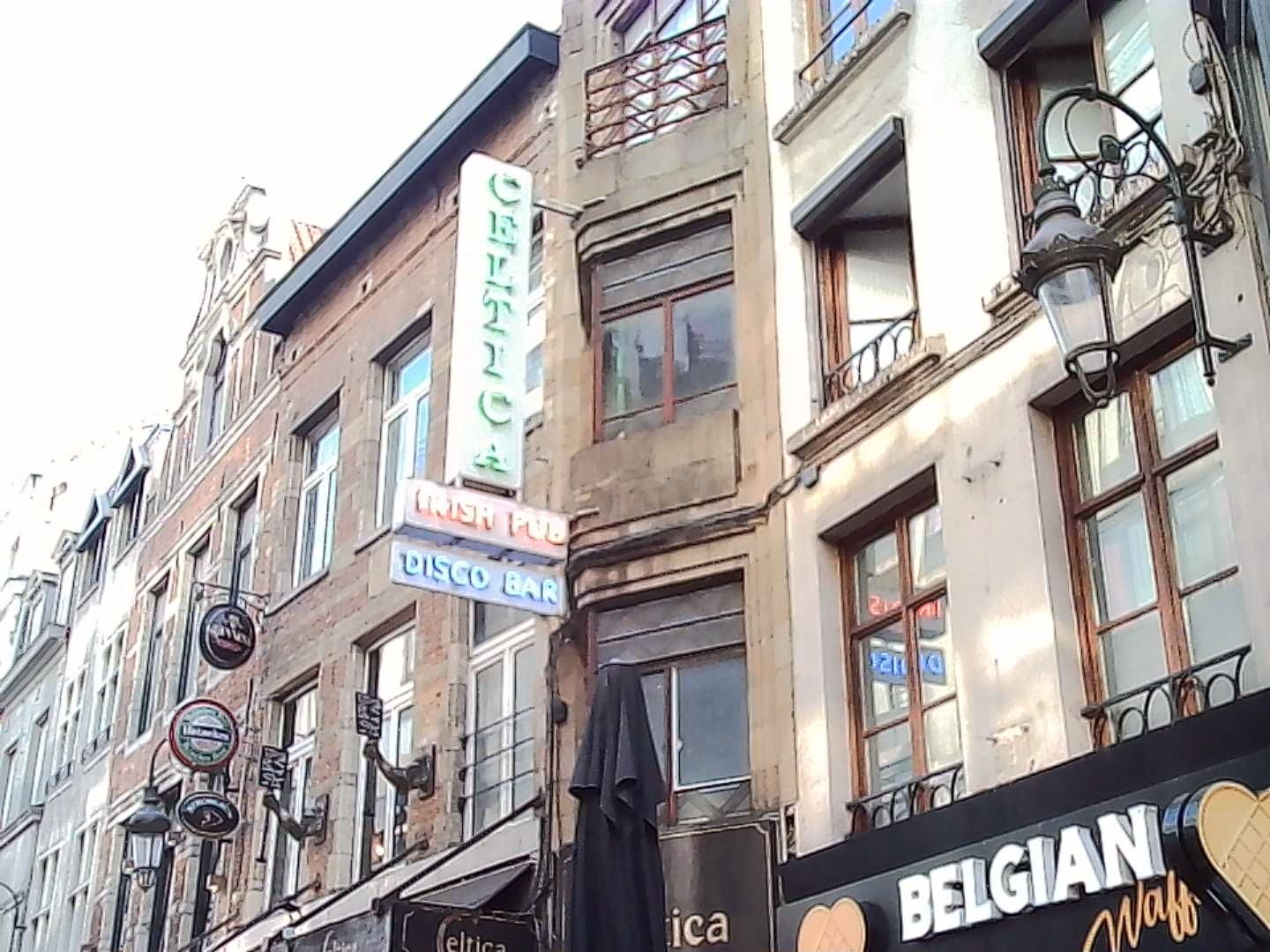
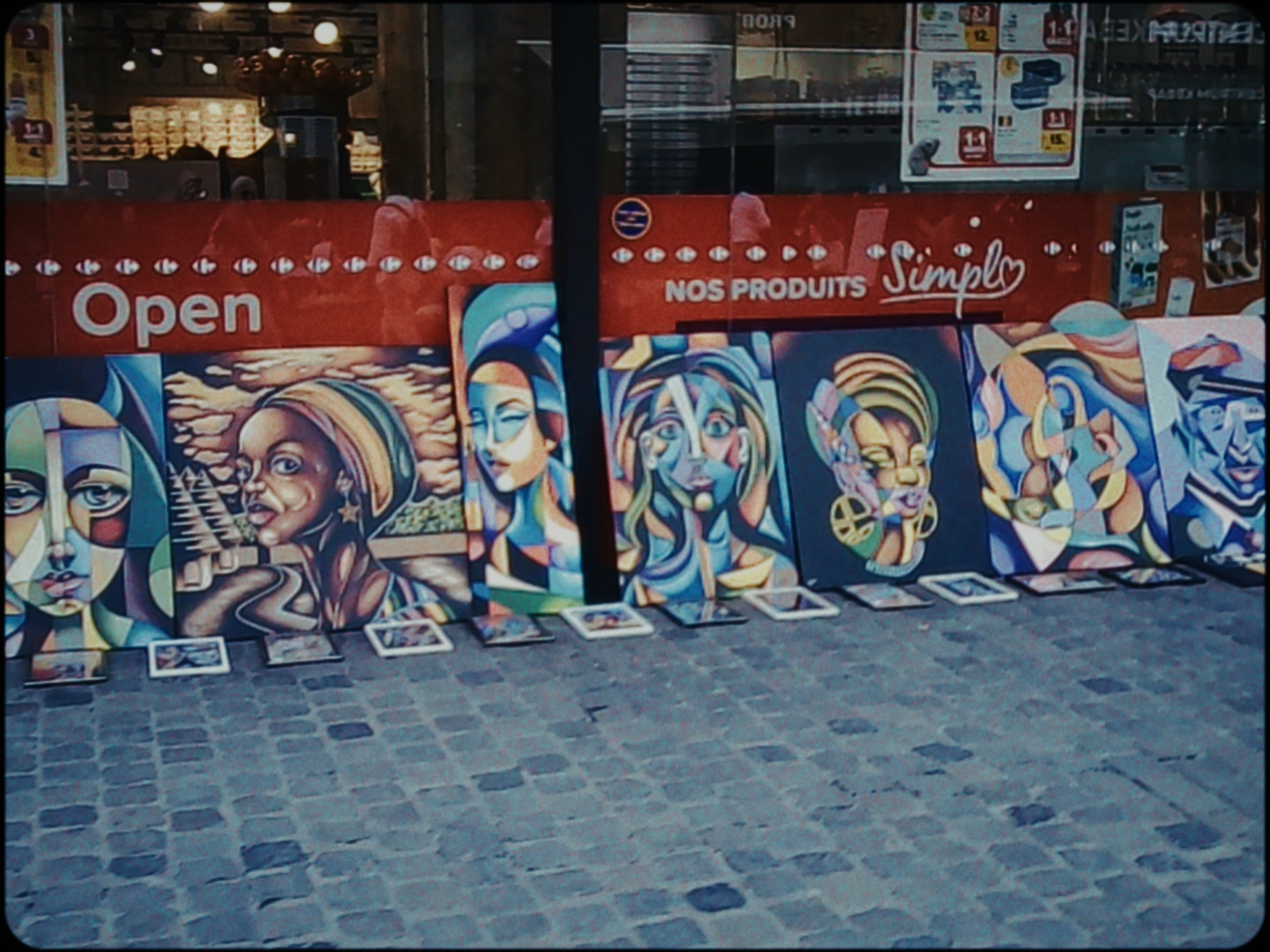
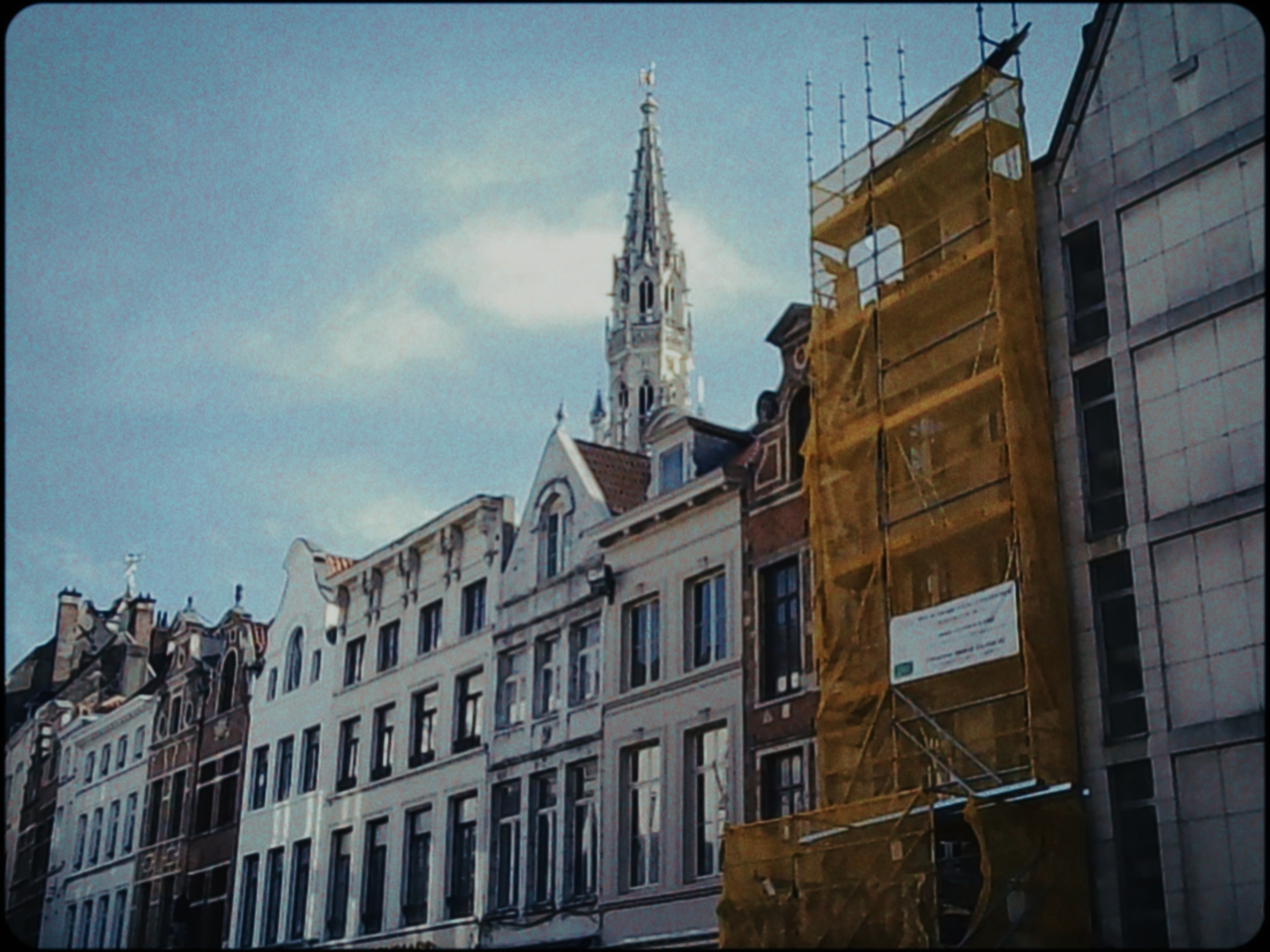
There's a counter-culture online of (young) people shooting with early digicams etc, and the way they talk about it is that they're going for an alternative aesthetic to the clean modern digital look that's now in every smartphone and has become the 'default' look. Personally, I've been pushing how small a video camera can be, and it has brought me to the same place - deliberately choosing very poor video quality. I've been using the Kodak Charmera for travel, which is the size of a construction-workers thumb, because it's so small no-one really takes it seriously when shooting in public, and also because it doesn't attract thieves etc (unlike a large ILC or new smartphone). But I'm also resurrecting my old Lumix point-n-shoot for roughly the same reasons. I've started to think of the Charmera as a sort-of modern Super-8 camera - a much smaller and lower quality camera for amateurs. If you apply some film emulation then it can take away some(!) of the digital nasties but I'm guessing some people will prefer the unmodified low-quality digital look. In a sense it's a 'worst of both worlds' situation as it clips like digital but also has the low resolution of film while simultaneously looking sharp and harsh - applying the film emulation rectifies some of these issues to create a hybrid with some limitations of both looks. Here are some stills, both ungraded and also graded with a modified version of my Super16 film emulation, and some sample footage to get a sense of the motion (it's truly terrible). However, the more I use this camera and look at the footage the more it grows on me. I can't say I like it, but as I get used to the look it strikes me more as a look rather than deficiency. Here's a warts-n-all montage of some shots I took. I was mostly walking around while rolling, but at 45mm FOV with no stabilisation it's pretty jittery anyway considering it weighs about 30g / 1oz so has almost no weight to prevent micro-jitters. If this was a real edit I'd smooth over a lot of the rough edges like sound pops and clicks etc, but this is a realistic look at how it performs. The issues do lend it a certain charm (like in the name!) I think, and it's the imperfections that give something character, so logically this must have a lot of it! I'm still constantly thinking about how to get better results from it, but being so small it's hard to modify the setup at all without drastically diluting its biggest advantage - the size. Anyone else experimenting in the very shallow end of image quality?